
The Room They Cannot See:
Notes on "What I Owe"

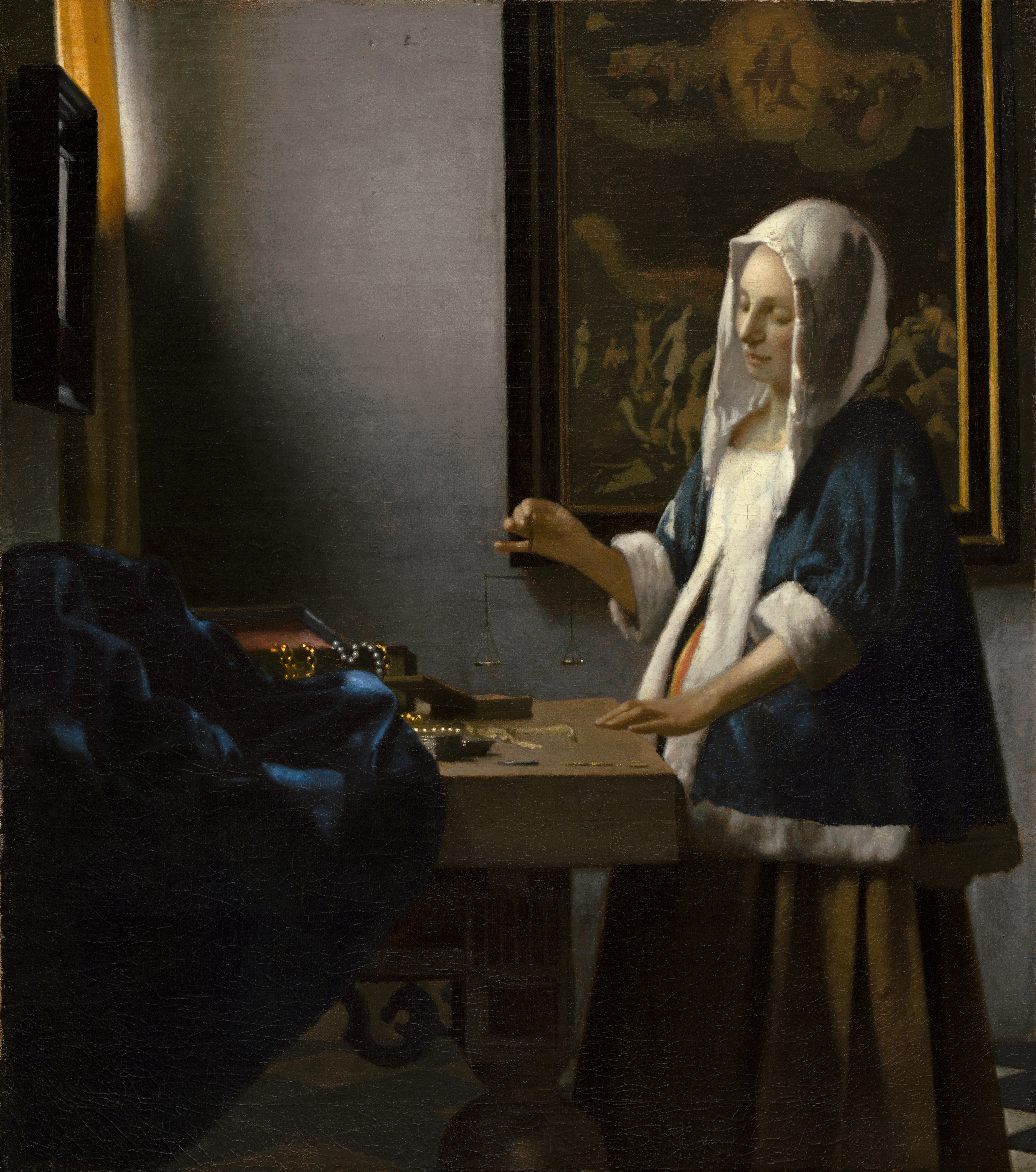
The Room They Cannot See: Notes on “What I Owe”
I. The Stranger
Recently, a stranger on the internet offered me unsolicited advice on a question of practical material consequence. The phrasing was the language of stoic discipline. Pick the harder path. Develop yourself. Stop the paralysis. He did not know me. He did not know the question. He had wandered into a comment thread, read a few sentences of someone else’s life, and produced a verdict.
I responded. I do not let things like this slide. But after I had said what I needed to say, the encounter stayed with me — not because of the man, who was unremarkable, but because of the philosophy he claimed to be quoting, and because of how many other people, with less practice in pushing back, would have absorbed his verdict as authority.
This is what I want to name: confident-sounding people with platforms produce a constant stream of advice for people without them, and the production has nothing to do with whether the advice is good. The form of the advice — its calm tone, its appeal to ancient philosophy, its association with discipline and self-mastery — gives it a credibility the content has not earned. When the advice is wrong, the cost of being wrong does not return to the producer. It stays with the person who took it. Influence without value is a category of harm. The stranger in my comment thread is one example. Every woman I know past forty has a version of the story; the pattern is consistent enough that we trade them like baseball cards.
What he offered me was not stoicism. It was a brand wearing the philosophy’s clothing. And the brand is dangerous because it sounds wise.
This is the poem that came out of the encounter. The notes that follow are the thinking behind it.
